
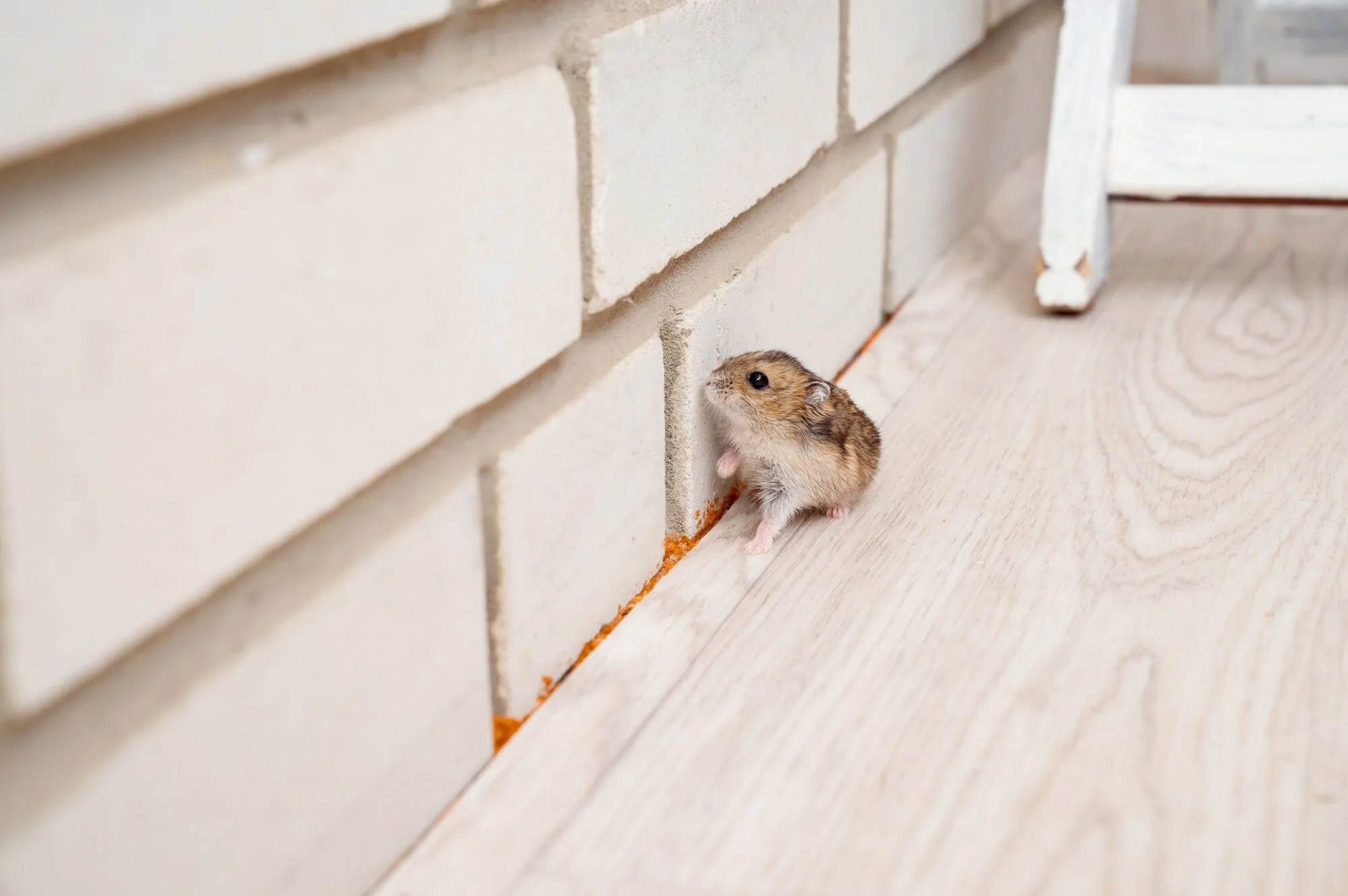
Rodent Control

Scratching in the walls at night. Droppings in the pantry. A chewed wire in the garage. Rodents don't just make a mess, they can damage your home and contaminate your food. Our rodent control program finds how they're getting in, helps close those openings, and keeps watch so the problem doesn't come back.
Stopping Rodents Starts With Keeping Them Out
Trapping what's already inside is only half the job. If the entry points stay open, new rodents will find them. That's why our approach pairs trapping with inspection, exclusion recommendations and monitoring, so we address both the rodents you have and the ways they got in.

As temperatures drop, mice and rodents look for warmth, food and shelter, and a Massachusetts home offers all three. They can squeeze through surprisingly small gaps, including:
Openings around pipes, utility lines and AC connections
Gaps under garage doors and around doors and windows
Cracks and joints in foundations
Vents, bulkheads and roofline gaps
Gaps around sheds, decks and stored items outside
Key Facts About Mouse Entry Sizes:
The Skull Rule
A mouse's skeleton has no rigid collarbone and a collapsible ribcage. If its skull can squeeze through an opening, the rest of its body will follow.
Juvenile Mice
Baby or juvenile mice are even smaller and can slip through gaps as narrow as 3 mm (about 1/8 inch).
Common Comparisons
A standard pencil width (approx. 1/4 inch) is the classic benchmark.
A dime is roughly 0.7 inches across, meaning a dime-sized hole is actually much larger than a mouse needs.
Door Gaps
Mice can squeeze under low door sweeps or gaps as tall as 1/4 inch.
Our Rodent Control Process
Thorough Inspection
We look over your property inside and out, searching for signs of activity, likely entry points and conditions that attract rodents.Trapping
For active rodent activity, we use trapping to remove the rodents already in your home.Exclusion Recommendations
We point out the openings rodents are using and recommend how to close them. Sealing entry points is the most reliable way to keep rodents from coming back.Ongoing Monitoring
We check back on a regular schedule to watch for new activity and catch problems early, before they turn into infestations.

Signs You May Have Rodents
✓ Scratching or scurrying sounds in walls, ceilings or attics
✓ Droppings near food, along baseboards or in cabinets
✓ Gnaw marks on wood, wiring, packaging or insulation
✓ Greasy rub marks along walls
✓ Nests made of shredded paper, fabric or insulation
✓ A musty or unusual odor in basements, garages or attics
✓ Pet behavior that suddenly changes, like fixating on a wall
If you notice any of these, don't wait. Rodent problems tend to grow quickly.
Rodent Activity Through the Year

Fall
Cooling temperatures send mice and rodents looking for warm places to settle in.

Spring
Nesting season begins in garages, sheds, attics and other quiet spaces.

Winter
Activity concentrates indoors, where rodents have heat, shelter and food.

Summer
Rodents stay active around yards, foundations and outbuildings, so entry points are worth checking year-round.

Why Rodent Problems Shouldn't Wait
Rodents can chew through wiring and insulation, contaminate food and surfaces, and leave behind droppings and odors. Early action usually means a simpler fix and less damage.

Local. Experienced. Customer Focused.
✔ Locally owned Massachusetts
✔ Fully licensed & insured
✔ Experienced technicians
✔ Family & pet friendly options available
✔ Customized treatment plans
✔ Reliable scheduled service
✔ Excellent customer satisfaction
✔ Professional uniformed technicians

-
Rodents can fit through much smaller openings than most people expect. Common entry points include gaps around pipes and utility lines, garage doors, foundations, vents and rooflines. Our inspection is designed to find them.
-
We offer family and pet friendly options. Your technician will explain what's being used on your property and any precautions to take.
-
It depends on how established the problem is and how rodents are getting in. Your technician will explain what to expect after the inspection.
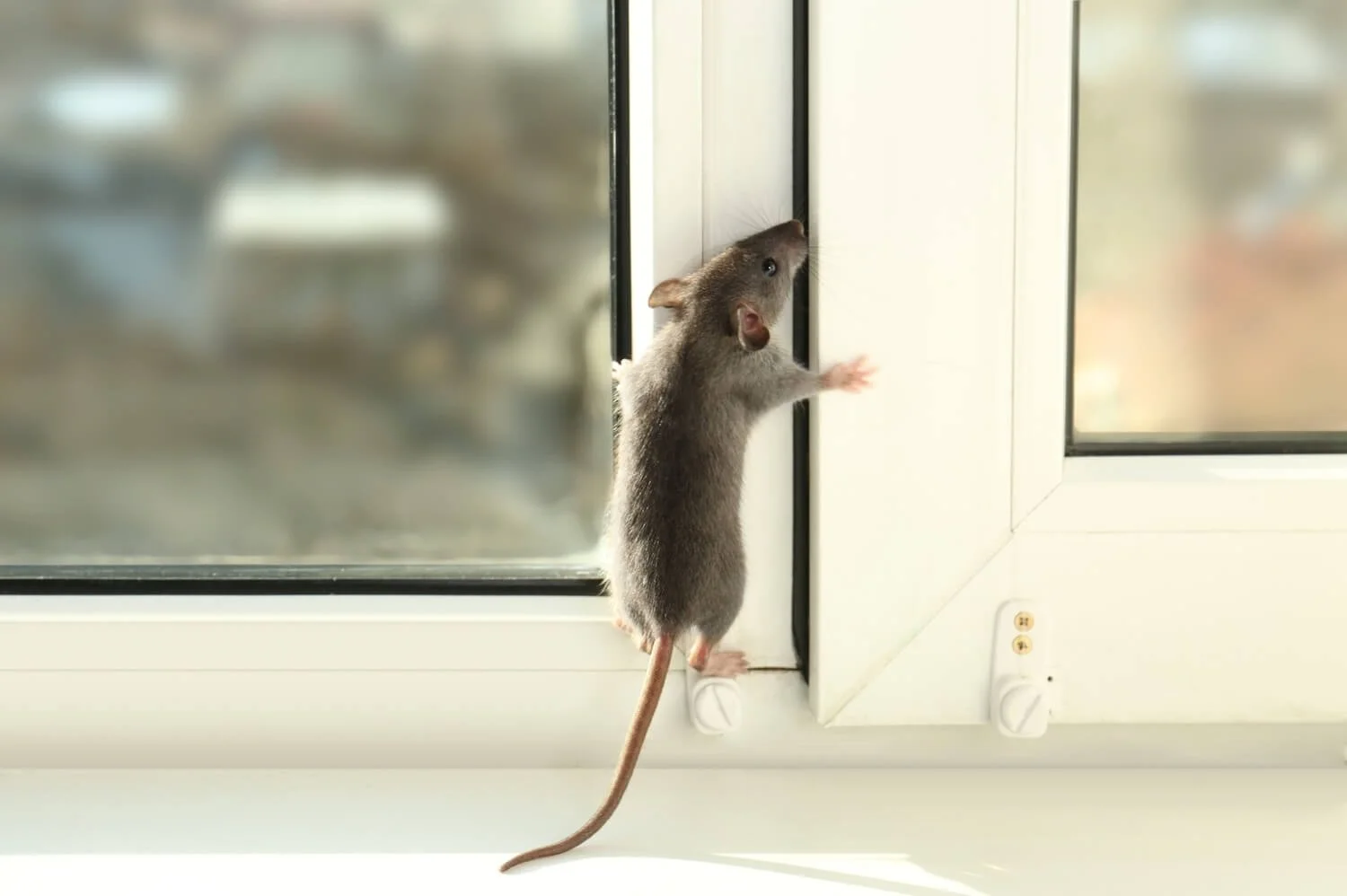

Ready to Stop the Scratching?
Protect your home and family with professional rodent control from a local Massachusetts team.